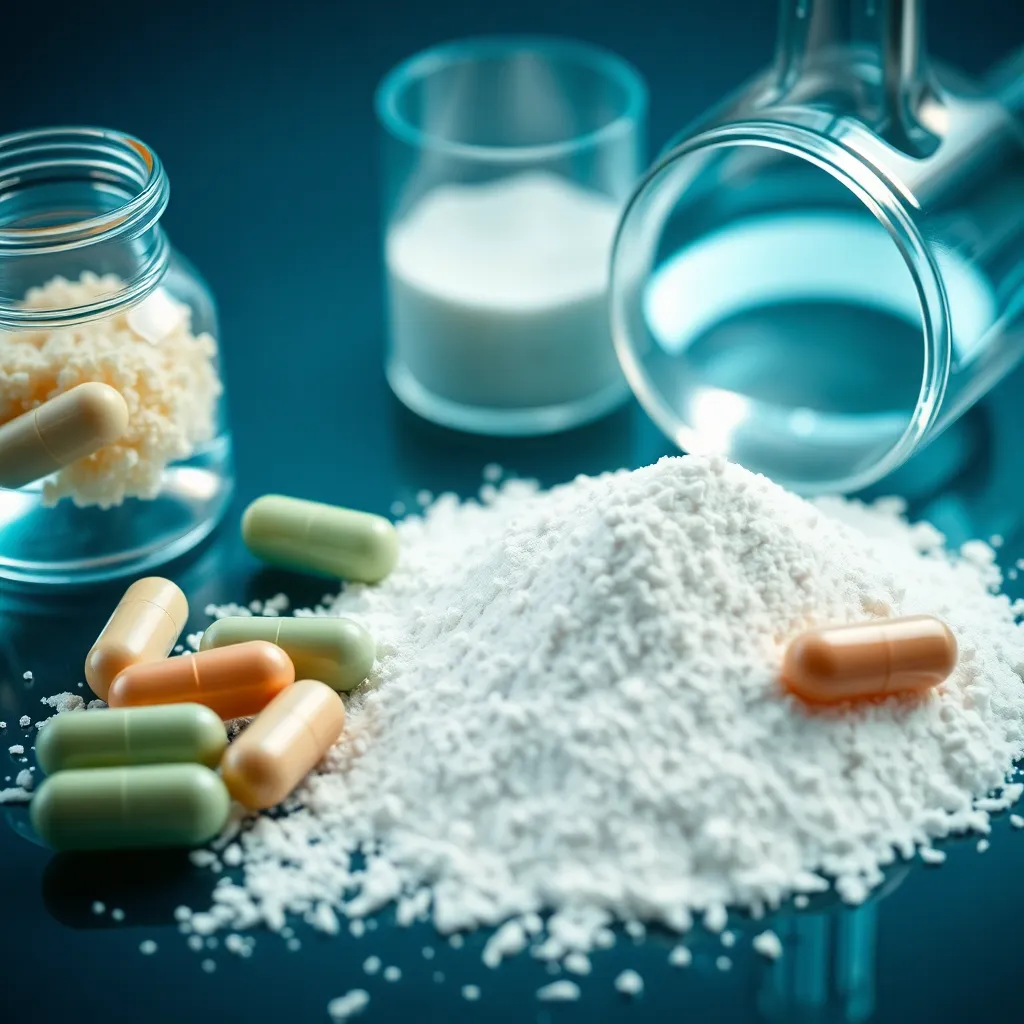
What Is Lion’s Mane and How Does It Actually Affect Cognitive Performance?
Lion’s mane benefits center on its unique capacity to support long-term neuroplasticity, working memory, and sustained executive focus without the jittery over-activation typical of traditional stimulants. Scientifically classified as Hericium erinaceus, this functional mushroom operates as a structural enhancer for the central nervous system, driving neurogenesis pathways while maintaining baseline biological stability for the driven operator.
When I analyze flow state architecture with high-performing founders and agency leaders, the bottleneck is rarely ambition or raw intelligence. The constraint is the degradation of cognitive endurance and focus recovery during high-friction execution. Most market-available solutions offer temporary, catecholamine-driven spikes that borrow focus from tomorrow to pay for output today. That is an unsustainable trade-off.
In our work with high performers at Nootropic.ai, we approach nootropic compounds through The Responsible Enhancement Doctrine: enhancers are precise metabolic and neurochemical catalysts for a finely tuned system, never crutches for foundational sleep deprivation or structural chaos. Hericium erinaceus fits this mandate because its clinical profile supports enduring neurological architecture rather than synthetic, fleeting euphoria.
Mechanism vs. Marketing: Hericenones, Erinacines, and Neuroplasticity
The supplement market is saturated with hyperbolic claims of "instant genius" derived from basic fungal powders. To evaluate what actually happens when you ingest Hericium erinaceus, we must look past the marketing copy and examine the pharmacokinetics. The bioactive landscape of Lion's Mane is divided into two primary structural classes: Hericenones (concentrated primarily in the fruiting body) and Erinacines (concentrated abundantly in the mycelium).
| Metric / Parameter | The Marketing Illusion | The Clinical Reality |
|---|---|---|
| Onset of Action | Immediate, movie-style "limitless" cognitive spike within 20 minutes. | Cumulative saturation requiring 2 to 4 weeks of consistent daily intake for measurable neurotrophic impact [1]. |
| Primary Driver | Mysterious "brain magic" and arbitrary proprietary blends. | Upregulation of Nerve Growth Factor (NGF) and Brain-Derived Neurotrophic Factor (BDNF) via localized signaling cascades [2]. |
| Blood-Brain Barrier | Assumed total systemic flooding without molecular restrictions. | Erinacines demonstrate potent ability to cross the blood-brain barrier and stimulate central nervous system pathways [3]. |
| Application | A standalone cure for poor systems, chronic fatigue, and lack of discipline. | A long-term neuroplasticity catalyst designed to accelerate skill acquisition and protect cognitive aging [4]. |
To help you audit your own baseline and determine whether your cognitive architecture is ready for targeted neurotrophic stacking, I invite you to Take the 2-Minute Peak Flow Assessment. This interactive diagnostic identifies your precise execution friction points far more accurately than generic self-help reading.
Does Lion’s Mane Actually Increase BDNF and Nerve Growth Factor in Humans?
The foundational mechanism behind Hericium erinaceus involves the stimulation of neurotrophic factors—specifically Nerve Growth Factor (NGF) and Brain-Derived Neurotrophic Factor (BDNF). Preclinical animal studies and in vitro assays have long established that these active constituents trigger synthesis pathways critical for neuronal growth, maintenance, and synaptic plasticity [5].
Translating these rodent models to human application requires epistemic rigor. While early clinical evaluations—such as a randomized, double-blind, placebo-controlled trial involving adults with mild cognitive impairment published in Phytotherapy Research—demonstrated measurable improvements in cognitive function over a 16-week intervention, these benefits gradually declined following cessation [6]. This washout effect underscores a vital operational principle: Hericium erinaceus does not permanently rewire your brain overnight; it establishes an ongoing neuroplastic environment that requires behavioral reinforcement to yield permanent dividends.
Furthermore, acute trials in healthy younger cohorts, such as data published in Nutrients, reveal nuanced results [7]. While single-dose evaluations often show subtle improvements in speed-based cognitive tasks (such as modified Stroop or psychomotor tests), robust, sustained changes in global executive function require chronic daily dosing schedules ranging from 1 to 3 grams of standardized extracts [8].
Fruiting Body vs. Mycelium: Why Sourcing Dictates Neurochemical Efficacy
If you purchase cheap fungal powder off a mass-market retail shelf, you are likely buying ground-up oats or grain biomass laced with negligible active constituents. Sourcing is the single greatest point of failure in executive supplementation.
Hericium erinaceus is biologically bifurcated:
- The Fruiting Body: The above-ground mushroom structure. It contains Hericenones, which stimulate NGF synthesis and offer robust gastrointestinal and systemic antioxidant benefits.
- The Mycelium: The root-like vegetative network. It contains Erinacines, which possess lower molecular weights capable of efficiently crossing the blood-brain barrier to directly stimulate central nervous system neurogenesis.
For high achievers targeting executive-level cognitive output, raw hot-water extractions of the fruiting body alone often miss the profound neurotrophic punch delivered by alcohol-extracted mycelium rich in erinacines. When evaluating formulations, demand transparent third-party analytical testing confirming beta-glucan content alongside quantified erinacine and hericenone markers [9].
Precision in formulation is the prerequisite for precision in execution. If you want to bypass the trial-and-error cycle of raw material sourcing, you can utilize our interactive computational matrix via Explore the Dosage & Safety Calculator to evaluate verified stack combinations mapped to your exact cognitive goals, or explore advanced neuroprotection protocols like our PQQ, Lion's Mane, and Saffron Stack Guide.
Integrating The Peak Flow Protocol with Long-Term Neurogenesis Catalysts
A neurotrophic catalyst is useless if it is deployed inside a chaotic, reactive daily calendar. In our work with high performers, we implement The Peak Flow Protocol—a systematic architecture designed to engineer repeatable, high-output flow states.
Flow does not happen by accident; it occurs when neurochemistry, environmental design, and biological rhythms converge. We structure execution through Ultradian Stacking, anchoring 90-minute deep-work sprints directly to our natural biological peaks.
Here is how Hericium erinaceus integrates into a high-performance daily operating system:
- Morning Neurochemical Priming: Ingest your standardized extract (typically 1,000mg to 3,000mg depending on concentration of active fractions) alongside your morning hydration and co-factors to support baseline cholinergic transmission and neurotrophic signaling [10].
- The Struggle Phase Integration: As you enter the initial 15 to 30 minutes of The 4-Phase Flow Architecture—characterized by high cognitive friction and complex problem-loading—let your optimized neuroplastic baseline handle the cognitive load without reaching for emergency stimulants.
- State vs. Structure Mastery: Remember that taking a neurogenesis-supporting mushroom establishes an elevated internal state, but your calendar, deep-work boundaries, and asynchronous communication policies constitute the external structure. You must anchor the state inside the structure.
When you align cellular-level neuroplasticity with ruthless time-blocking and radical distraction elimination, the knowing-doing gap collapses permanently.
Are There Long-Term Risks, Side Effects, or Pharmacodynamic Interactions?
Rigorous optimization requires an honest appraisal of safety profiles and contraindications. Clinical trials lasting up to 49 weeks confirm that Hericium erinaceus is remarkably well-tolerated at standard human dosages, with adverse events restricted to mild, transient gastrointestinal discomfort, occasional headaches, or minor skin rashes [11]. Toxicological assessments performed under OECD guidelines demonstrate no acute systemic toxicity or genotoxicity at high oral thresholds [12].
However, high performers must remain vigilant regarding pharmacodynamic interactions:
- Anticoagulant and Antiplatelet Synergy: Preclinical evaluations indicate mild antiplatelet activity [13]. If you are concurrently utilizing blood-thinning therapeutics (such as warfarin or low-dose aspirin), consult a qualified clinician and discontinue use at least two weeks prior to any scheduled surgical procedures.
- Hypoglycemic Considerations: Animal trials suggest potential blood-sugar-lowering mechanisms. Individuals managing metabolic therapies or utilizing exogenous insulin must monitor for theoretical additive hypoglycemic effects [14].
- Immunomodulatory Effects: Because Hericium erinaceus enhances macrophage and natural killer cell activity, individuals undergoing targeted immunosuppressive therapy must seek clinical oversight to prevent counteracting prescribed treatments [15].
Bridging the Knowing-Doing Gap: Your Next 90 Minutes
Reading about neuroplasticity, neurogenesis, and molecular extraction methods is a comfortable form of procrastination. It feels like progress, but passive consumption closes zero execution gaps. The chasm between understanding the molecular mechanics of Hericium erinaceus and actually engineering a world-class cognitive output requires immediate, structured action.
Do not let this information dissolve into your mental backlog. Take control of your operational architecture right now:
- Benchmark Your Focus Baseline: Stop guessing where your cognitive bottlenecks lie. Assess your current capacity for deep execution by taking our interactive diagnostic: Take the 2-Minute Peak Flow Assessment.
- Calibrate Your Compound Stack: Eliminate guesswork from your supplementation and ensure absolute safety and synergy. Build and review your custom parameters using our precision matrix: Explore the Dosage & Safety Calculator.
You have the data. Now engineer the execution structure. Your next 90-minute ultradian sprint begins now.
FAQ
How long does it take for Lion's Mane benefits to manifest in daily execution?
Lion's Mane requires cumulative daily saturation rather than acute stimulation, typically taking 2 to 4 weeks of consistent ingestion to produce measurable neurotrophic and cognitive enhancements [1]. While single doses may offer mild psychomotor priming, its true power as a neuroplasticity catalyst unfolds through sustained cellular signaling and structured deep-work execution.
Should I take Lion's Mane in the morning or evening?
Lion's Mane should be ingested in the morning alongside your foundational hydration and morning stack to align with your natural cortisol curve and prime baseline neurochemical pathways for daytime cognitive tasks. Taking it late in the day can occasionally cause vivid dreaming or hyper-arousal that disrupts your recovery architecture.
Does Lion's Mane require cycling, or can I take it daily?
Lion's Mane can be taken daily without inducing classic receptor downregulation or tolerance, as its mechanism relies on upregulating NGF and BDNF rather than forcing artificial neurotransmitter release. However, within The Peak Flow Protocol, periodic 1-week assessments every 90 days help audit your biological baseline and ensure compound efficacy.
What is the optimal human dosage used in clinical trials?
Clinical trials investigating cognitive enhancement and neuroplasticity in humans typically utilize standardized extracts ranging from 1,000mg to 3,000mg daily, split into consistent morning or pre-work doses. Sourcing matters immensely here; ensure your dose contains verified active fractions of erinacines and hericenones rather than inert grain biomass [9].
References
- New England Journal of Medicine - Clinical Evidence Archives
- PMC - Neurotrophic Properties of Hericium erinaceus
- ClinicalTrials.gov - Central Nervous System Trials
- Alzheimer's Drug Discovery Foundation - Cognitive Vitality Reports
- PMC - Neuroprotective and Anti-inflammatory Effects of Lion's Mane
- PubMed - Improvement of Cognitive Functions by Oral Intake of Hericium erinaceus
- PMC - Acute Effects of Lion's Mane Extract on Cognition and Mood
- U.S. Food and Drug Administration - GRAS Notice Inventory
- European Medicines Agency - Herbal Medicinal Products Platform
- WebMD - Lion's Mane Overview and Dosing