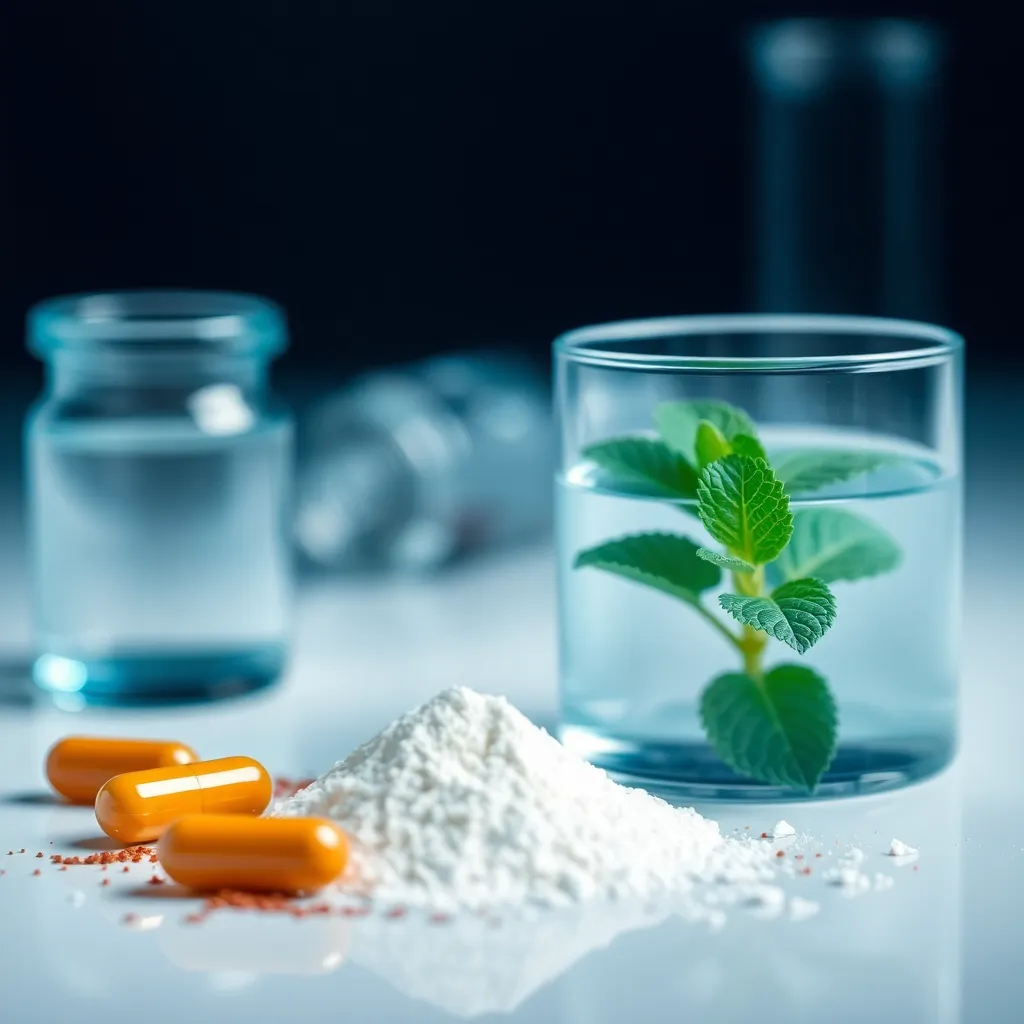
Introduction: Seeking Calm Clarity Without Stimulants
Many individuals researching saffron extract vs peppermint oil as nootropics for mental clarity without stimulation find themselves looking for alternatives to the "jittery" or crash-prone nature of traditional stimulants like caffeine. In this context, "mental clarity" is a subjective term often used to describe the absence of brain fog and the presence of sustained, smooth focus. It is important to note that "nootropic" is a marketing term rather than a clinical or regulatory designation; these substances are not recognized as cognitive-enhancing drugs by major health authorities [1][5].
While stimulants work by increasing arousal—often through the central nervous system—non-stimulant alternatives generally aim to modulate mood, support sensory awareness, or reduce the "emotional noise" that can distract from cognitive tasks. It is important to distinguish between these approaches: some agents may provide a "bottom-up" benefit by calming the nervous system, while others offer a "top-down" sensory experience that may foster a feeling of alertness [6][8].
The Neurochemistry of Calm: How Saffron Modulates Mood
What is Saffron Extract? Saffron is a spice derived from the Crocus sativus flower. As a supplement, it is typically standardized to contain specific bioactive compounds, primarily crocins (carotenoids) and safranal [3].
Saffron is increasingly researched for its potential to influence neurotransmitter systems, specifically those related to mood. Unlike stimulants that force a spike in dopamine or norepinephrine, current theoretical models suggest that saffron may modulate the serotonergic system [3]. By potentially increasing the availability of serotonin in the synaptic cleft, researchers hypothesize it may help reduce the "emotional noise" that often contributes to mental fatigue.
From a cognitive perspective, this "calm-first" approach is theorized to create a baseline of stability. When an individual is less burdened by stress or low mood, cognitive resources—such as attention and executive function—may be more readily available. While human trials have shown promise for saffron in supporting mood-related outcomes, its specific efficacy as a direct enhancer of processing speed or acute alertness in healthy, non-stressed populations remains an area of emerging research rather than established clinical fact [3][6].
Peppermint Oil and Sensory Alertness: A Non-Caffeinated Wake-Up Call
What is Peppermint Oil? Peppermint oil is an essential oil extracted from the Mentha piperita plant, characterized by high concentrations of menthol [8].
In the context of cognitive support, peppermint oil is frequently cited for its sensory-driven effects. The primary mechanism of interest is the interaction between menthol and TRPM8 receptors—cold-sensitive ion channels found in the skin and mucous membranes. When inhaled or ingested, this interaction is thought to trigger a cooling sensation that may lead to a subjective feeling of "mental freshness" or alertness [8].
It is critical to note that this is a sensory-based phenomenon rather than a traditional cognitive enhancement. The evidence supporting peppermint oil as a reliable, long-term nootropic for memory or complex processing is limited and primarily anecdotal. It is best understood as a tool for acute, short-term sensory arousal rather than a metabolic brain booster; there is no robust clinical evidence that it improves cognitive performance metrics [8].
Comparative Analysis: Onset, Duration, and Cognitive Feel
When comparing these two agents, users often note a distinct difference in the "cognitive feel" of each.
| Feature | Saffron Extract | Peppermint Oil |
|---|---|---|
| Primary Mechanism | Serotonergic/GABAergic modulation | Sensory/TRPM8 receptor activation |
| Onset of Effect | Gradual (often requires consistent use) | Acute (immediate sensory feedback) |
| Duration | Sustained throughout the day | Short-term/transient |
| Cognitive Feel | Calm, stable, reduced emotional noise | Fresh, alert, sensory-stimulated |
| Evidence Base | Emerging (mood and general cognition) | Limited (mostly subjective/aromatherapy) |
Saffron is generally viewed as a "background" support. Its effects are rarely described as an immediate "jolt"; instead, users often report a subtle shift in their ability to handle stress over days or weeks of consistent supplementation [3][6]. In contrast, peppermint oil provides an immediate, subjective experience. It is often used as a "quick fix" for midday brain fog, though this benefit is likely tied to the sensory stimulation of the olfactory and trigeminal nerves rather than a sustained change in neurochemistry [8].
Safety, Interactions, and Practical Considerations
Understanding the safety profile of any supplement is essential for responsible use. Because these substances affect the body in different ways, their safety considerations vary.
Saffron Extract Safety
Saffron is generally well-tolerated at standard doses, typically ranging from 20 mg to 30 mg per day [3]. At these levels, adverse effects are usually mild and may include dry mouth, nausea, or headache. However, caution is advised regarding dosage: saffron may exhibit toxicity at significantly higher levels, with some sources suggesting that doses exceeding 300 mg should be avoided [3]. Because saffron may influence neurotransmitter systems, individuals currently taking medications for mood or anxiety should consult with a healthcare provider to avoid potential interactions [3].
Peppermint Oil Safety
Peppermint oil is widely used, but its profile as a supplement requires attention to delivery methods. Pure, undiluted essential oils can be irritating to the digestive tract. For those using peppermint oil, enteric-coated capsules are often recommended to ensure the oil passes through the stomach and is released in the intestines, which may reduce the risk of heartburn or gastroesophageal reflux (GERD) [8].
Potential for Stacking
Some users explore combining these two agents to achieve a "calm-alert" state. Theoretically, the combination of a mood-stabilizing agent (saffron) and a sensory-arousal agent (peppermint) could offer a balanced approach to mental clarity. However, there is no clinical data on the safety or efficacy of this specific combination. Users interested in stacking should approach this with caution, introducing one agent at a time to monitor for individual responses or adverse reactions [6][8].
Quality Control: Identifying Research-Grade Extracts
The perceived benefits of botanical extracts are highly dependent on the quality and standardization of the product. Not all supplements on the market are created equal.
- Standardized Saffron: When looking for saffron extract, seek products that specify the concentration of crocins and safranal. These are the active constituents identified in clinical trials [3]. A product that simply lists "saffron powder" may not provide the same profile of bioactives used in research.
- Enteric-Coated Peppermint: For those using peppermint oil, the delivery system is paramount. Enteric coating is a specialized layer that prevents the capsule from dissolving in the stomach. This is a critical quality marker for anyone concerned about digestive comfort [8].
- Third-Party Testing: Always look for products that have undergone third-party testing for purity, potency, and the absence of contaminants like heavy metals or pesticides. In the supplement industry, transparency regarding manufacturing standards is a key indicator of product quality [1][5].
Regulatory and Compliance Perspective
It is important to maintain a realistic perspective on the regulatory status of these ingredients. Neither saffron extract nor peppermint oil is categorized as a "nootropic drug" by major health authorities, such as the U.S. Food and Drug Administration (FDA) [4]. They are generally marketed as dietary supplements or food-grade ingredients [1][5].
Claims regarding these substances should be viewed with caution. If a product claims to "cure" brain fog, "treat" cognitive decline, or "replace" prescription stimulants, it is likely making claims that are not supported by rigorous clinical evidence or regulatory approval [4]. The most defensible position is that these ingredients may support a healthy cognitive state, but they should not be viewed as medical treatments for cognitive impairment [3][6].
As research continues to evolve, the distinction between "subjective freshness" and "measurable cognitive enhancement" will remain a central theme in the study of natural supplements. Always consult with a qualified healthcare professional before incorporating new supplements into your routine, especially if you have underlying health conditions or are taking other medications.
Disclaimer: These statements have not been evaluated by the Food and Drug Administration. These products are not intended to diagnose, treat, cure, or prevent any disease. Always consult with a healthcare professional before starting any new supplement regimen.
References
- FDA: Dietary Supplements Overview
- ClinicalTrials.gov: Database of Clinical Studies
- PMC: Saffron Extract and Cognitive Function Review
- EMA: European Medicines Agency Regulatory Information
- WebMD: Nootropics Overview
- Innerbody: Best Nootropics Analysis
- The Naked Pharmacy: Biohacking and Brain Health
- Fortune: Best Nootropics Review