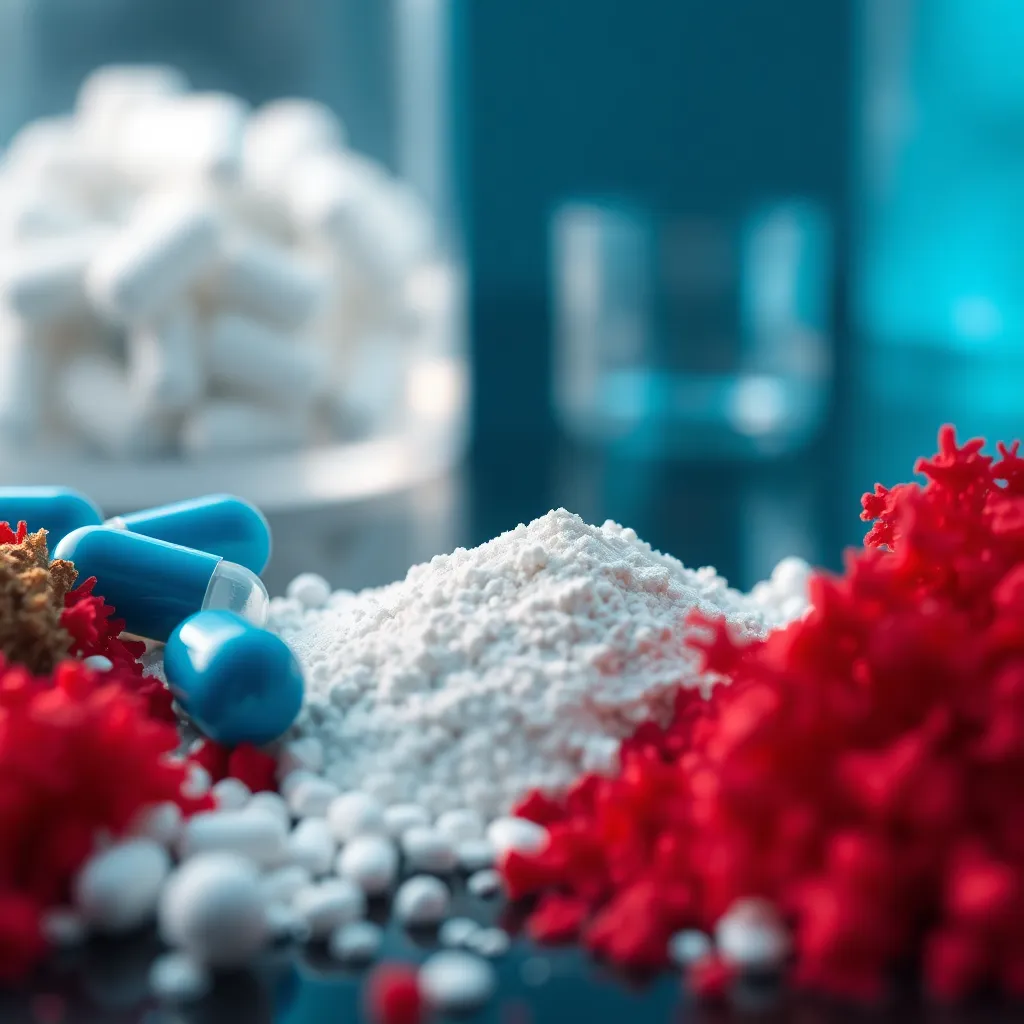
PQQ, Lion's Mane, and Saffron: A Review of Potential Support for Cognitive Aging
The PQQ, Lion's Mane, and Saffron stack for neuroprotection and cognitive aging has emerged as a popular protocol among individuals interested in longevity and brain health. This combination brings together three distinct compounds often categorized as nootropics—substances that may support cognitive function. While each ingredient is studied for its unique biological pathways, it is essential to understand that this specific combination is a "biohacking" strategy rather than a clinically validated medical treatment. None of these substances are FDA-approved to treat, cure, or prevent cognitive decline or neurodegenerative diseases [1]. The goal of this stack is to theoretically support mitochondrial efficiency, encourage neuroplasticity, and regulate mood-related inflammation, though the evidence for these outcomes in humans remains in the early stages of investigation [2][3].
The Synergistic Mechanism: Why Combine These Three?
The rationale for using these three ingredients together relies on the concept of "multi-modal" support. In biology, synergy refers to the idea that the combined effect of multiple agents is greater than the sum of their individual effects. For this stack, the theoretical synergy is structured around three pillars of brain health:
- Mitochondrial Support (PQQ): Focuses on the "energy factories" of the brain cells.
- Neuroplasticity (Lion’s Mane): Focuses on the structural integrity and growth signals of neurons.
- Mood and Inflammation (Saffron): Focuses on the chemical environment and stress response within the brain.
While this framework is logically sound, it is important to note that no clinical trials have tested this exact trio in humans. Most evidence supporting these ingredients comes from animal studies or in vitro (test tube) research, which do not always translate to human health outcomes [3][5]. Therefore, viewing this stack as a "proven" protocol for neuroprotection would be premature and unsupported by current clinical data [2][9].
PQQ: Mitochondrial Biogenesis and Brain Energy
What is PQQ? Pyrroloquinoline quinone (PQQ) is a naturally occurring redox cofactor—a compound that assists enzymes in chemical reactions—found in trace amounts in foods like kiwi, parsley, and green peppers.
PQQ is primarily researched for its role in mitochondrial biogenesis, which is the process by which cells increase their mitochondrial mass. Mitochondria are responsible for producing adenosine triphosphate (ATP), the primary energy currency of the cell. As we age, mitochondrial function often declines, which is hypothesized to contribute to cognitive fatigue and cellular aging.
Research suggests that PQQ may act as an antioxidant in preclinical models [5]. While some small-scale human studies have indicated that PQQ supplementation might support cerebral blood flow and cognitive performance, these findings are not yet considered definitive, and large-scale, replicated human trials are lacking [4][5].
Lion's Mane: NGF and Neuroplasticity
What is Lion's Mane? Lion’s Mane (Hericium erinaceus) is a medicinal mushroom that has been used in traditional practices for centuries. In modern research, it is studied for its potential to stimulate the production of Nerve Growth Factor (NGF) [8].
NGF is a protein that plays a critical role in the maintenance, survival, and regeneration of neurons. The hypothesis is that by increasing NGF levels, Lion’s Mane may support neuroplasticity—the brain's ability to reorganize itself by forming new neural connections.
Clinical evidence for Lion’s Mane benefits and evidence is mixed. While some randomized controlled trials have observed improvements in cognitive scores among older adults with mild cognitive impairment, these benefits are often noted to fade once the supplement is discontinued [6][9]. Furthermore, studies in healthy, younger adults have yielded inconsistent results [8]. It is vital to distinguish between fruiting body extracts and mycelium, as the concentration of active compounds can vary significantly [9].
Saffron: Mood Modulation and Neuro-inflammation
What is Saffron? Saffron is a spice derived from the Crocus sativus flower. Beyond its culinary uses, it is being investigated for its potential to modulate neurotransmitters and reduce neuro-inflammation.
Saffron contains bioactive compounds, including crocin and safranal, which have been shown in some studies to influence serotonin levels. By potentially balancing these chemical signals, saffron is often used to support emotional well-being.
In the context of cognitive aging, chronic low-grade inflammation is considered a risk factor for decline. Saffron’s antioxidant properties may help mitigate this inflammatory response in experimental models. However, the evidence for saffron as a cognitive enhancer is still emerging. More rigorous, large-scale human trials are required to determine its specific role in preventing or slowing cognitive aging [3].
Practical Considerations: Dosage, Quality, and Safety
Establishing a protocol for this stack requires careful attention to quality control and individual health status. Because these are sold as dietary supplements, the industry lacks the rigorous standardization found in pharmaceutical manufacturing [10].
Quality and Standardization
- Lion’s Mane: Look for products that specify the concentration of active compounds. Extracts should ideally be standardized to contain a specific percentage of polysaccharides or hericenones [9].
- Saffron: Quality is often indicated by the concentration of crocin and safranal.
- PQQ: PQQ is generally sold in its disodium salt form. Ensure the manufacturer provides third-party testing for purity [4].
Safety and Interaction Risks
The safety profile of this stack is not well-established due to the lack of long-term, multi-ingredient clinical trials [9][11].
| Ingredient | Potential Interaction/Caution |
|---|---|
| Lion's Mane | May have mild antiplatelet effects; use caution if taking blood thinners. May impact blood glucose levels [9][11]. |
| PQQ | Generally well-tolerated in small doses, but long-term safety data in older populations is limited [4]. |
| Saffron | May interact with serotonergic medications (e.g., SSRIs). Potential to lower blood pressure or affect blood sugar [11]. |
Important Safety Warnings:
- Pregnancy and Lactation: These supplements are generally contraindicated for individuals who are pregnant or breastfeeding. Saffron, in particular, has historical data suggesting it may stimulate uterine contractions.
- Medical Supervision: Because all three ingredients can influence metabolic and neurological pathways, they may interact with prescription medications. Always consult with a healthcare provider before beginning this or any supplement stack [9][11].
Regulatory Disclaimer
These products are regulated as dietary supplements, not as therapeutic drugs [10]. They are not intended to diagnose, treat, cure, or prevent any disease. The information provided here is for educational purposes and should not replace professional medical advice, healthy lifestyle habits, or regular cognitive screening.
References
- FDA: Information for Consumers on Dietary Supplements
- Mechanistic Review of Nootropic Compounds in Cognitive Aging
- Frontiers in Nutrition: Saffron and Cognitive Function Research
- PQQ and Mitochondrial Biogenesis Overview
- IntechOpen: Neuroprotective Potential of PQQ
- Alzheimer’s Drug Discovery Foundation: Lion’s Mane Cognitive Vitality Report